Sustainability @ ICHK

August, 2021

Jon Rees is Sustainability Coordinator at ICHK

It’s my second term working in my new role as Sustainability Coordinator, and I’m really enjoying the professional challenge of reading into the subject, finding ways to support other staff members in this aim, learning how to bind together aspects of the ICHK school experience such as Human Technologies, Deep Learning, the Y7 Pastoral programme, Enrichment and Flow, as well as developing resources within the traditional curriculum subject areas too.

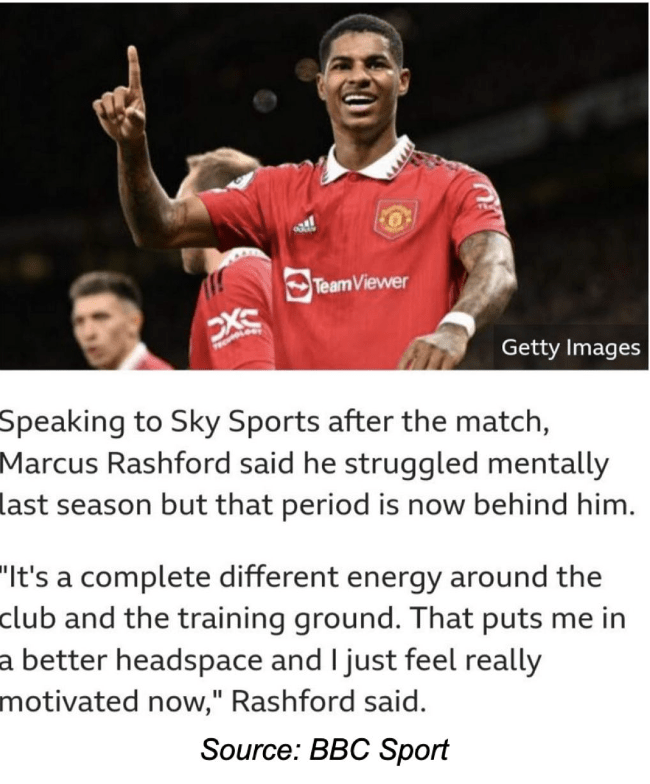
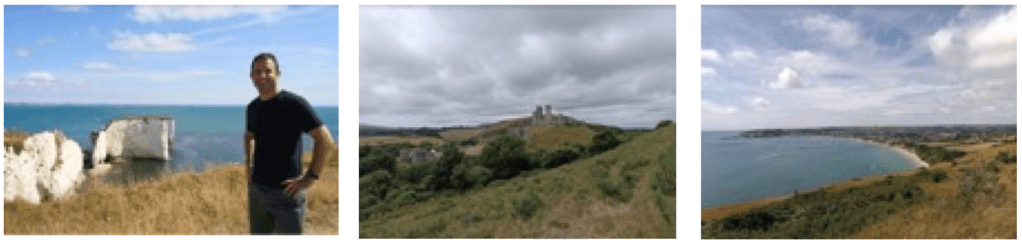
I chose to share the above photos to represent what attracted me to the position of Sustainability Coordinator. The first photo is at Old Harry’s Rocks from a summer holiday hike with old university friends in Dorset this summer. My love for nature and hiking was inspired through a childhood growing up in the countryside and these remain core passions today. ICHK’s Outdoor Dept. allows our community to develop these interests, and I’m delighted to be joining students and Outdoor leader, Arthur Wong, for a week-long series of hiking and outdoor activities during Deep Learning later this term.

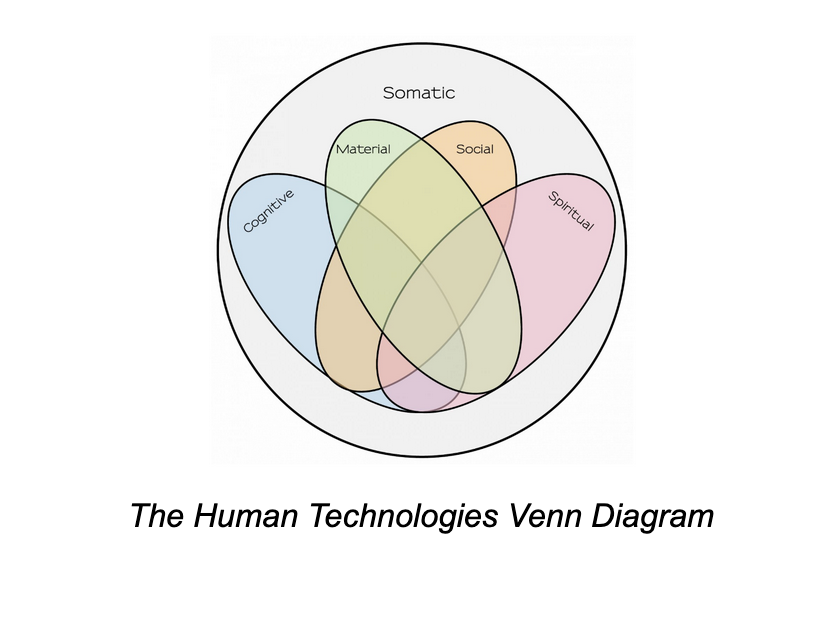
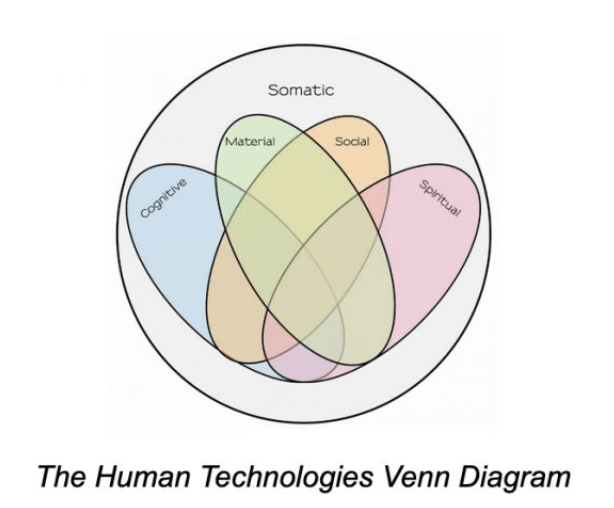
Human Technologies, a subject I’m teaching at Y8 and Y10, allows us to examine how we experience our world, and make choices, from the various material, social, spiritual and cognitive technologies through the lens of our own bodies. While there are certain genetic blueprints which are handed down to us from our parents and ancestors, there are choices we can make about diet, nutrition, fitness and mental well-being to impact our lives, and it is sports and hiking which allow me to calm my mind, stimulate my imagination, build friendships and many other positives. These are important lessons which I feel are essential to share with students.
The sustainability role here at ICHK means more than just implementing the more traditional technologies of sustainability that exist at most other schools and which are offered as solutions to the effects of Climate Change, such as, recycling, solar panels, reducing our carbon footprint etc. It’s not to say that those material remedies aren’t important, they are, but these technologies are more symptomatic of a global economic system in need of radical systemic overhaul, the success of which will hinge on new mindsets, social systems, and spiritual aspirations. Sustainability at ICHK encompasses those elements no less urgently.

So it is that the achievable goal we cultivate is the idea of being sustainable humans from an internal, holistic standpoint, as well as learning how we can develop the social and cognitive technologies of empathy and understanding others, exploring and inquiring about the world, building positive relationships to help us lead more balanced, sustainable lives. 

At ICHK, we want students to have the energy and motivation to explore the world around them, to be aware of the lifestyle changes they might make to impact the planet more positively, rather than engage in hand wringing for a carbon consumptive lifestyle which has been foisted upon them by the social and economic systems of the world they are born into…
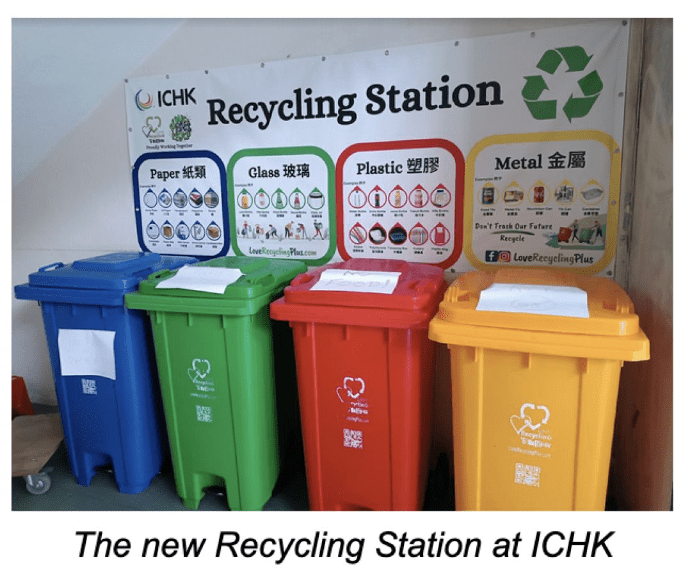
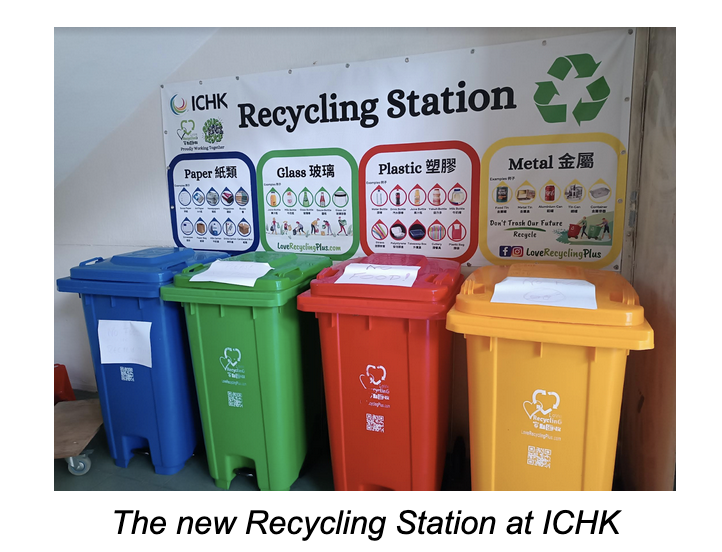
Every bit helps and concrete action also prompts conceptual change, so, we have joined up with We Love Recycling to ensure that all our glass, plastic, paper and metal bi-products are recycled properly…and we are looking forward to receiving data back from the company who itemise what we send off to their recycling plant so that we can be more explicitly aware of our patterns of consumption, and how to reduce, and reuse, and then hopefully lower the volume of what we then recycleIf you don’t have recycling bins close to your homes, please feel free to bring in items from home and place them in the recycling station!

Over the last term, I’ve been working with Nelly Loi-Fong, Head of Y7, about how we can develop Compassionate Systems throughout the Y7s Transitions programme at the school. I also had the opportunity to speak with our wonderful Y7 students, as well as our SRC coordinators, Phoebe Wong and Alyson Donaldson, about the possibility of creating a sustainability group within ICHK. I’m looking forward to also supporting Michelle Rines, Head of Science, and Outdoor Leader, Dave Addis, on their project to map the mangrove swamps around Starling Inlet to create an evolving record of the local ecosystems to help make the case for their conservation years hence…
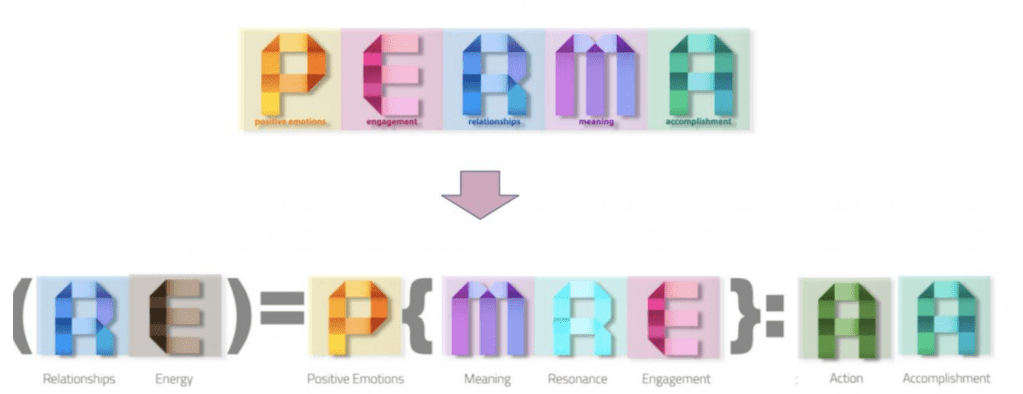
At ICHK, unique and nuanced approaches inform how we help students learn about the complexity of their worlds

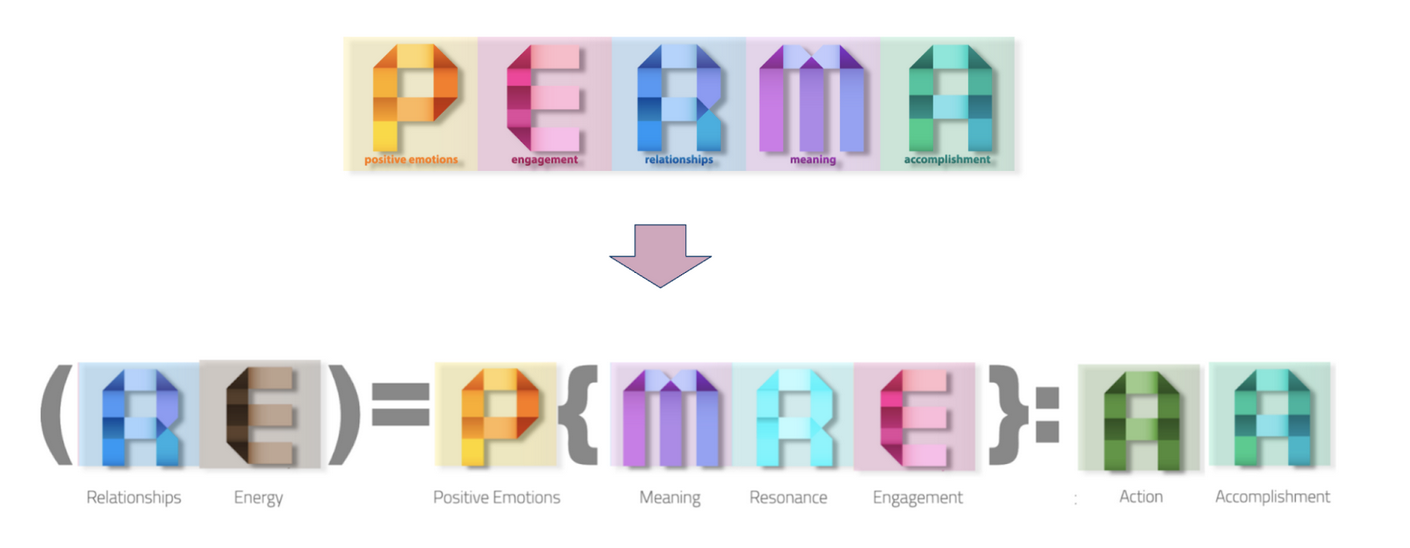
So, a busy and incredibly fulfilling brief that speaks to my own varied interests within the complexity of a highly innovative school. In our staff professional development at the beginning of term, we explored how Martin Seligman’s concept of PERMA took us a good part but not all of the way to defining what it is that ICHK is trying to achieve for its students. One ingredient that was missing from Seligman’s formulation is energy. My goal will be to help support this mission of bringing energy to school life – and to draw on it to cultivate relationships, leading to positive emotions, so energising a school experience founded in meaning, resonance and engagement, leading to action and accomplishment. To that end, I’ll share shorter updates about my progress to this goal throughout the year, as well as any interesting books, podcasts, articles and documentaries which might be of interest to members of our community. Be in touch..!

Written by: Jon Rees

In: Teacher Insights

When: 2 years ago
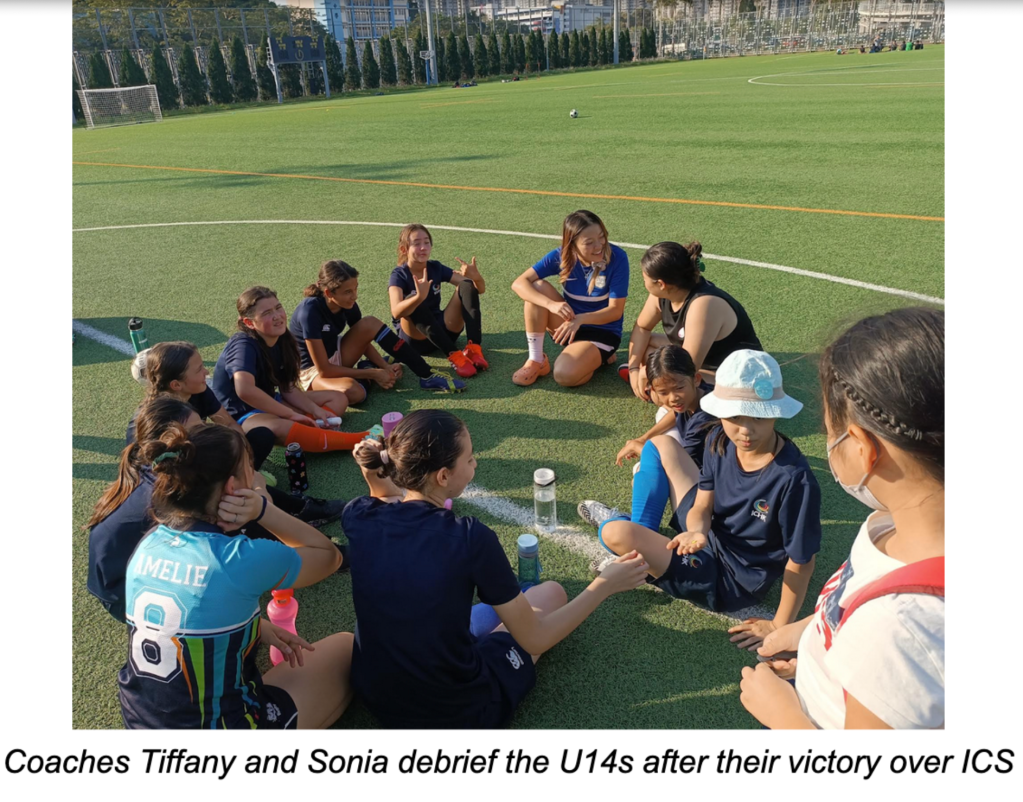
A Human Technologies Insight into U14 Girls Football

Nov 03, 2022

A Human Technologies Insight into U14 Girls Football

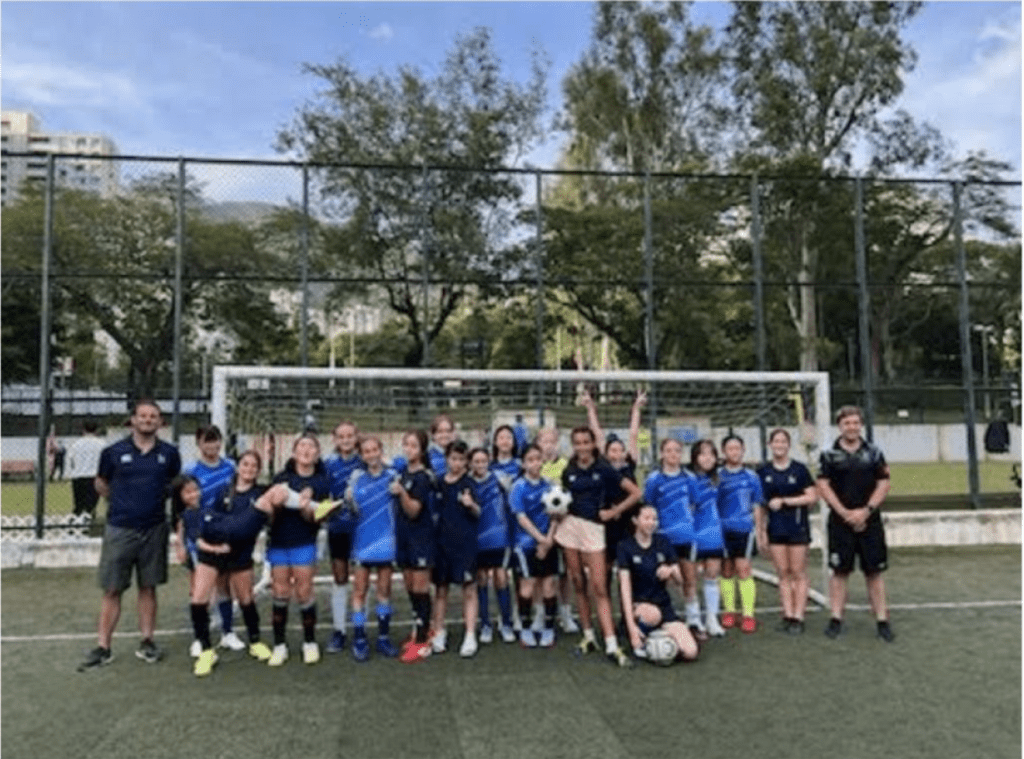
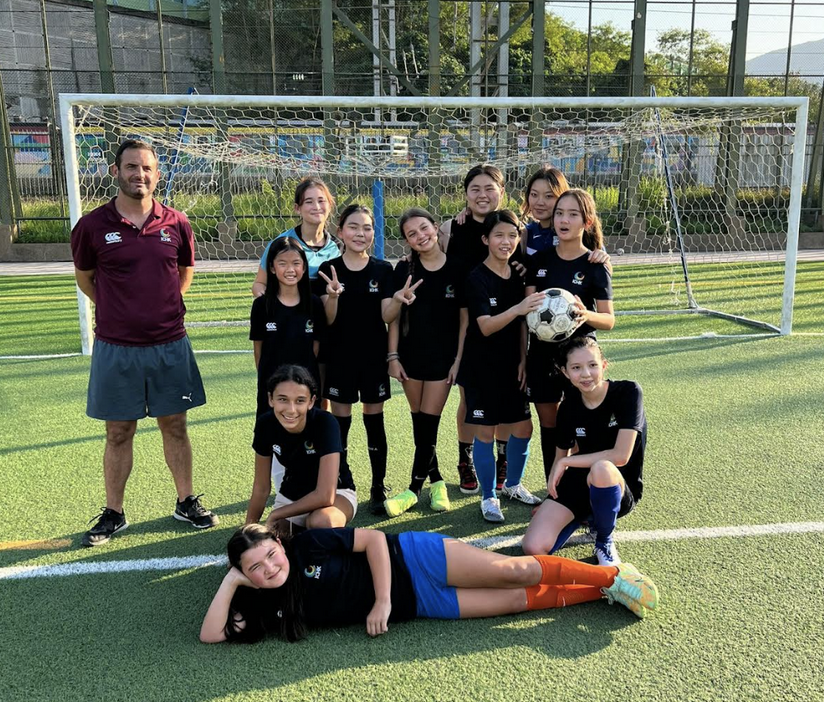
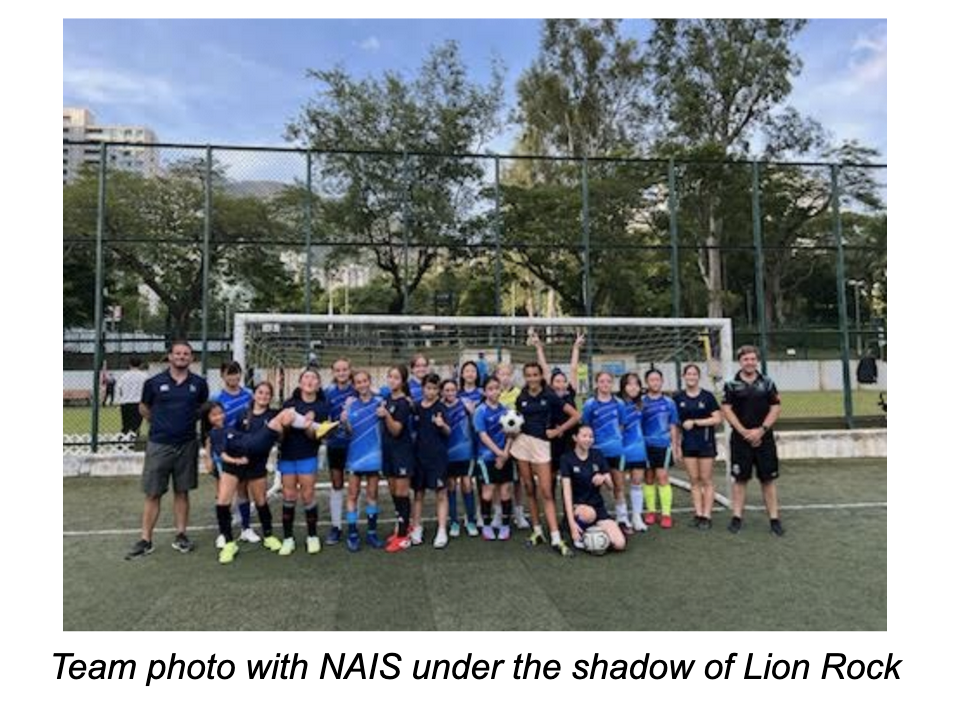
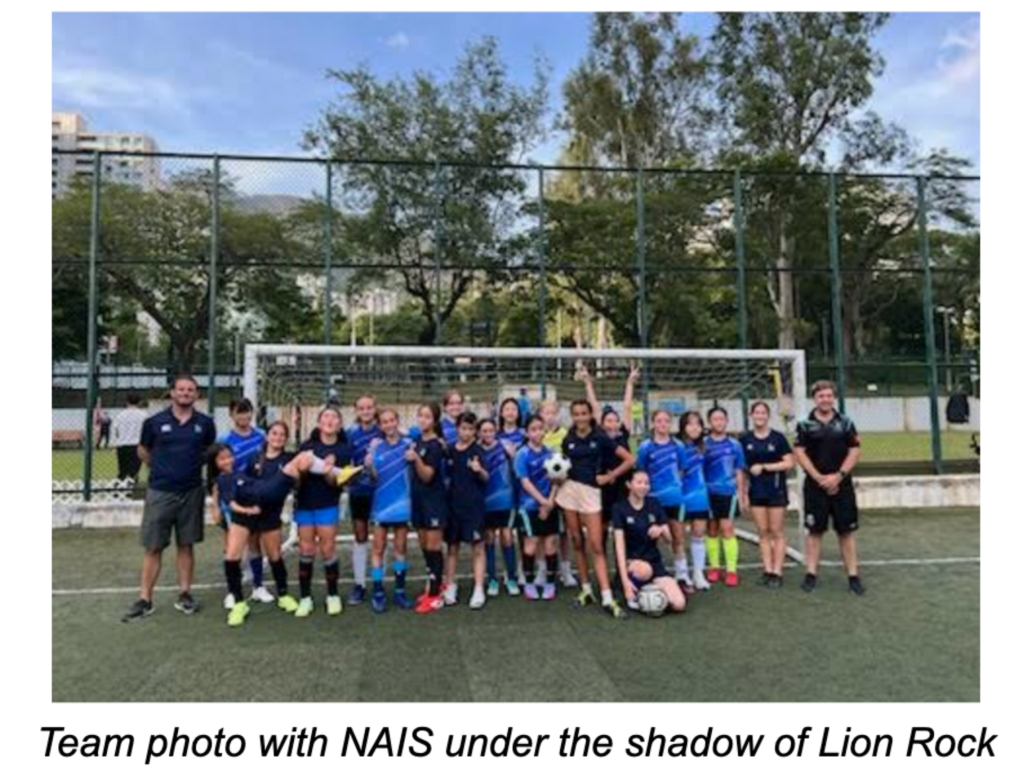
Our U14 Girls Football team have just come to the end of their season. It’s been wonderful playing against other schools again, and applying the skills and strategies of training to competitive fixtures. Human Technologies allows us to look more closely at some of other crucial aspects of socialisation, fitness, and mental fortitude that allow students to be successful in sport, and beyond to so many walks of life…

“Look at the size of them..!” said Agatha, staring across as the DBIS team got off the bus and entered our pitch at Kwong Fuk Park. Almost half of our U14 team are Y7s and Agatha, Sara, Jessie and Perlie most intensely experienced that peculiar feeling of worry about being ready to take on another team after a short pre-season training period. 

It is always the case that as we kick off in Term One ahead of all the other sports, and compete against schools often twice our population, that our football students battle those feelings of nerves as adrenaline spills over into apprehension. Not only that, but these are the first set of competitive football fixtures many will have played at all for the last few years owing to the impact of Covid on organised sports in Hong Kong.

In Human Technologies, we have been learning about the structure of homo sapiens Triune Brain- a three part brain system of reptile, mammalian and prefrontal cortex formed through the process of evolution across millions of years. 

This sophisticated supercomputer set equips us with all the instincts of survival- fight, flight, flop and freeze- that can be found in less advanced species such as lizards; this operates together with the limbic system which helps regulate our emotions, embed our memories and build social relations amongst mammalian species (hence why elephants, chimpanzees and whales have such complex societal systems); It is between these two where the amygdala and hippocampus can be found. As we prepare for competition, the amygdala pumps out cortisol and adrenaline preparing us to perform and our increased breathing pumps the oxygenated blood to our muscles so that we can perform whichever action is needed.

These essential functions have ensured the survival of our species across approximately 200,000yrs or more- yet, if we don’t engage that unique supercomputer of the prefrontal cortex to regulate our emotional state and allow us to rationalise whichever tough situation we might find ourselves in, it can all appear too much for a Y7 footballer…we might wonder whether we can get through the next 90 minutes! We need to feel safe, secure, and connected to a cause if we are to thrive. 

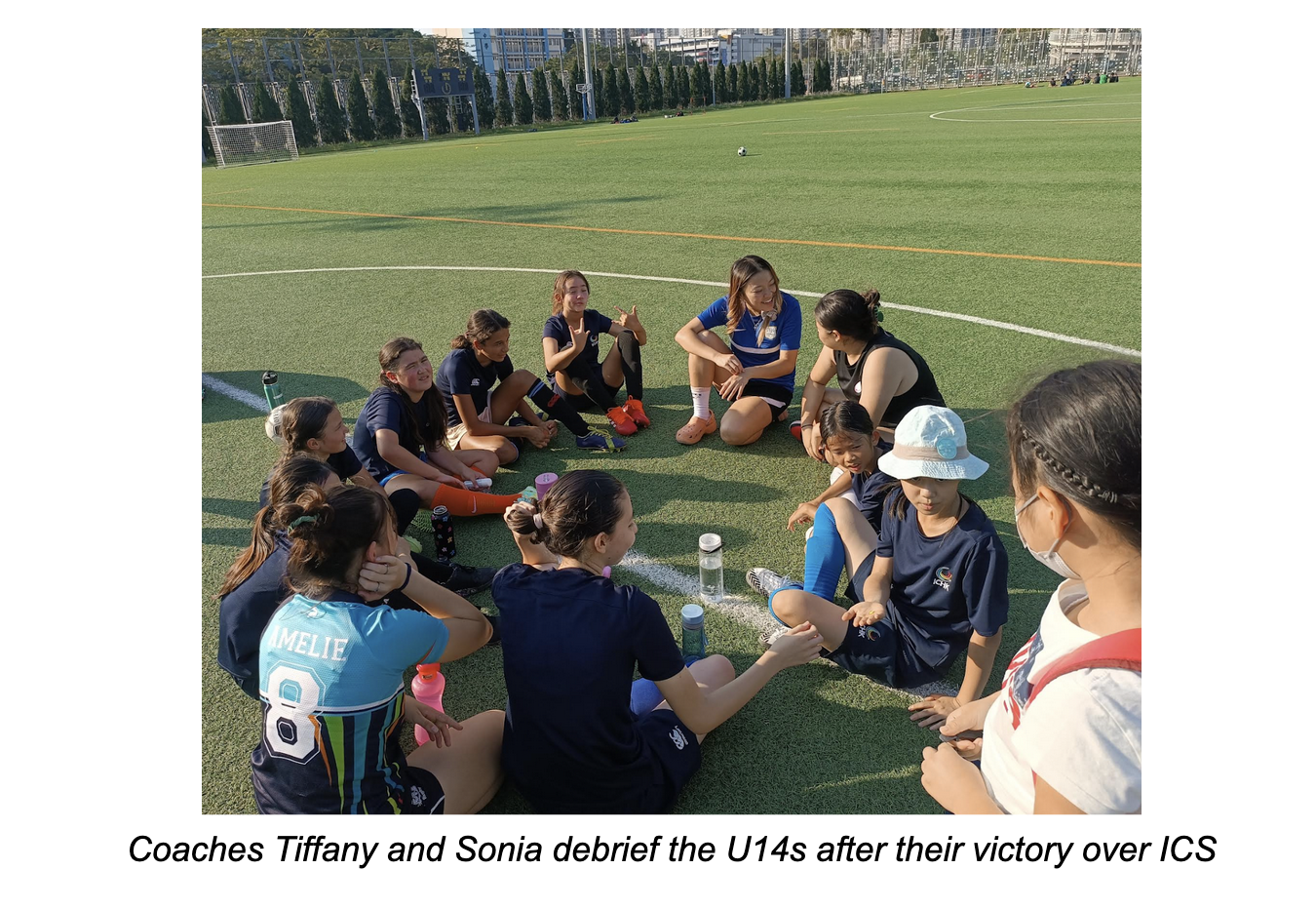
Across this season, our U14 Girls evolved together as a team. They were excellently led by Coach Tiffany and Coach Sonia, two Y13 students who devoted their time and experience of playing both football and rugby to a high level. They formed wonderful role models for the girls, inspiring confidence and sharing tips from training sessions and life lessons along the way. 

This was a crucial part for the cohesion of our side, and with smiles on their faces, the girls got better at their shooting and passing drills, and even adapted rapidly to understanding how to play together effectively in a system where in defence we compacted our shape- like a hedgehog rolling into a ball- and attacked together moving forward to make our lines compact and increase the pressure we could put then upon the opposition. 

Lucy Burton operated as Captain throughout the season and she quickly learned to give support and direction to others on the pitch so that Kenza could apply her knowledge of defence and capacity for running from the rugby field to the football pitch. Amelie was great in goal and gave us solidity at the back, and could turn defence into attack with her excellent distribution. As she graduates from U14 football she is another student with certain capabilities to coach and play at a higher level in the future.

Vicky White worked hard up front- often outnumbered but never outgunned- and her look of disbelief to delight when she scored her first goal was a season highlight. 

Our midfield were run predominantly by the Y7s of Perlie, Jessie, Agatha and Sara with Jazzy supporting with her tireless running. Jazzy totally eclipsed her beep test result from a HT lesson early this term, as she channelled her focus, adrenaline and desire to track back and support her teammates with a look of grim determination on her face. Positionally, all of our players showed great improvement and Agatha, Perlie and Jessie were all rewarded with goals as a result. Perlie has such a magnificent touch and could turn on a sixpence. She will be a vital member in years to come. 

One final mention goes to Jessie in our penultimate game: she received a couple of kicks, nothing nasty, just what you expect in a well-contested match. When it seemed things might get too much, she picked herself back up, received some supportive words of advice and touchline warm up from Coach Sonia… then came back and scored for us within 30 seconds! 

It was a wonderful example of how Jessie rationalised the situation, using her prefrontal cortex to regulate the flow of adrenaline to once again gain control of her mind. Because she knew she could rely on the strong social bonds of her team- who needed her skills in turn on the pitch- Jessie was able to be present in “The Now”, and recognise that, while her injury was painful, the situation was not insurmountable. It was an excellent example of someone who didn’t give up and that is exactly the attitude that will serve her well in future tests of mental fortitude, be it sporting, academic, social relationships or otherwise. 

All the girls are to be congratulated on their humility and good spirits throughout the season. Year 7s made friends with Y13s, and so on, and they can all look out for each other across the year in and out of school. That is what football can do, but it is what any chosen sport can do as if you are prepared to give it a go and stick through the hard times. If you commit to a team or activity the rewards are enormous and the playing, coaching, and supporting of any team will set you up for a lifetime of fulfilment. 

Written by: Jon Rees

In: Teacher Insights

When: 2 years ago
Sustainability @ ICHK

At ICHK we interpret sustainability holistically, at the personal, somatic and psychological level.

We need to be sustainable within ourselves before we set out to fix problems we might see in the world. If we are calm and balanced internally, then we will have the energy and capacity to effect change in a more sustained fashion in the future.

Our Human Technologies curriculum asks students to explicitly reflect on their backgrounds, their values, and their future goals. We run a wide panoply of environmentally-focused extracurricular activities that work to develop a growth mindset within our students. 

Uniquely, compared to other Hong Kong schools, we are situated in the spectacular natural environment of the Pat Sin Leng Country Park, so students are regularly engaging in hiking, camping, cycling, and science trips to embrace the outdoors and appreciate issues of sustainability at the local level.

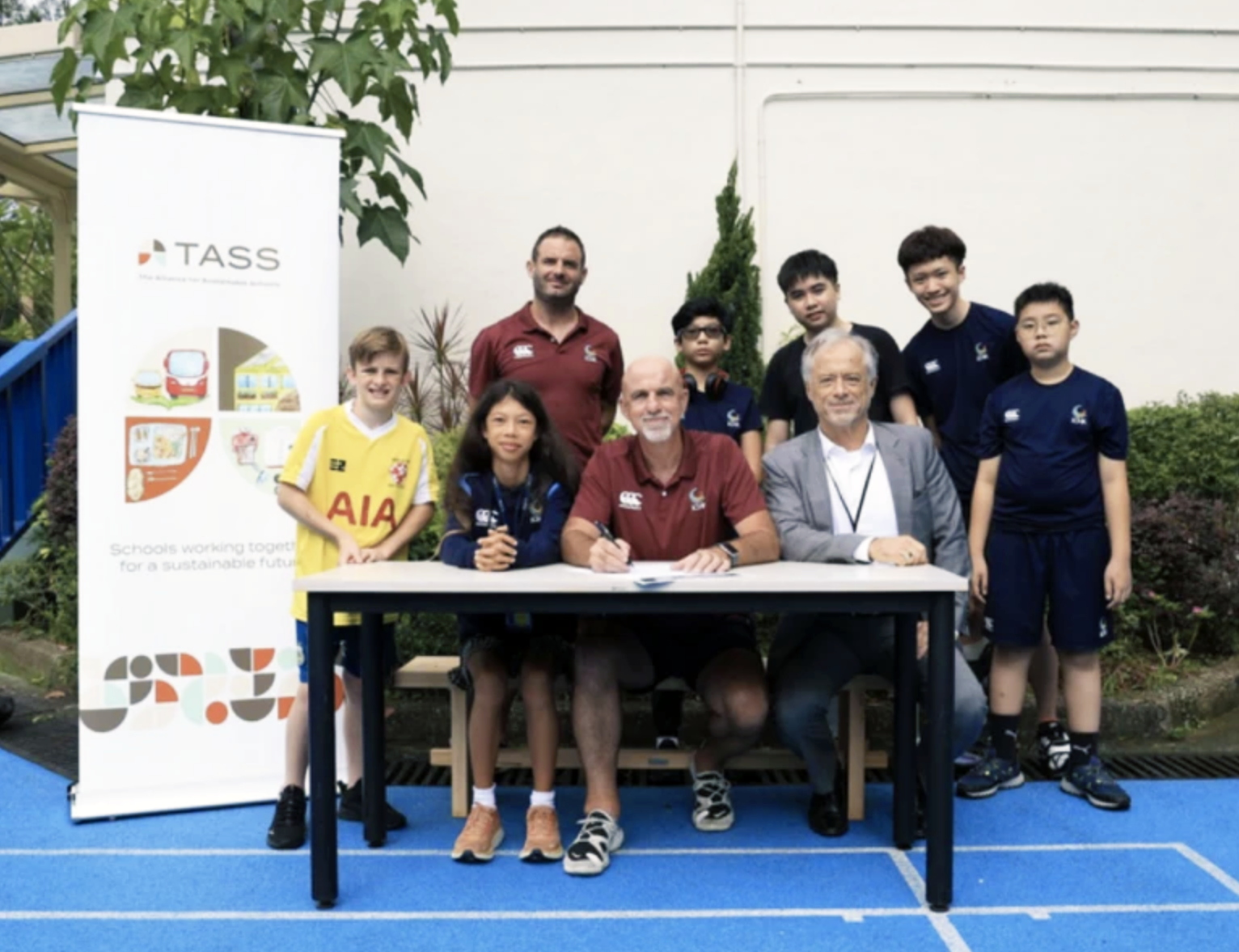
We are a member of The Alliance of Sustainable Schools, which is a network of schools within Hong Kong and globally, that seeks more sustainable solutions in how they operate.

As a member school, we recognise the seriousness of our ecological crises – including climate change, biodiversity loss, deforestation, pollution and water scarcity – and the challenges they pose for the health and wellbeing of our students and the global community.

In signing the TASS Charter in 2023, we pledged that ICHK would develop practices that enable students to develop the knowledge, skills and competencies required to become sustainability stewards.

Under the guidance of Sustainability Coordinator Jon Rees, a team of Eco Warriors is leading a number of initiatives to reduce our carbon footprint. Our two TASS ambassadors are part of this team, and they connect with our School Representative Council and School Media Team to promote key sustainability issues within ICHK. These include the reduction of food waste, increased recycling and the removal of single use plastics.

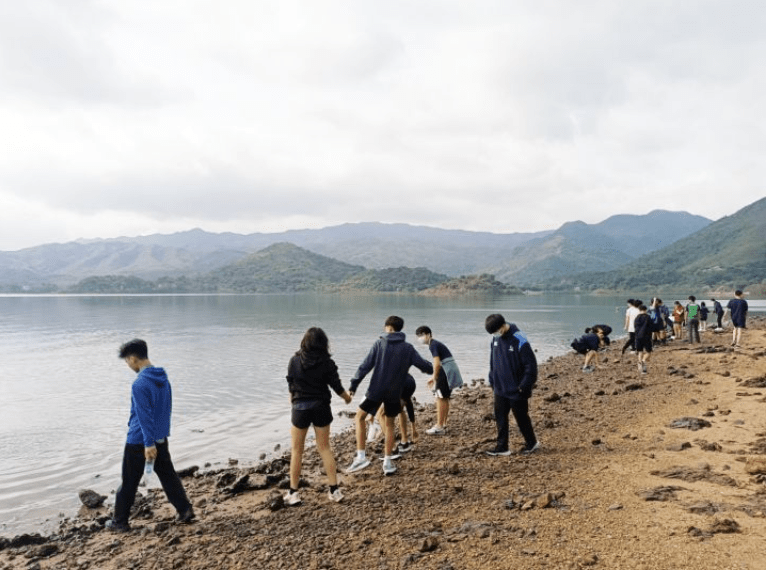
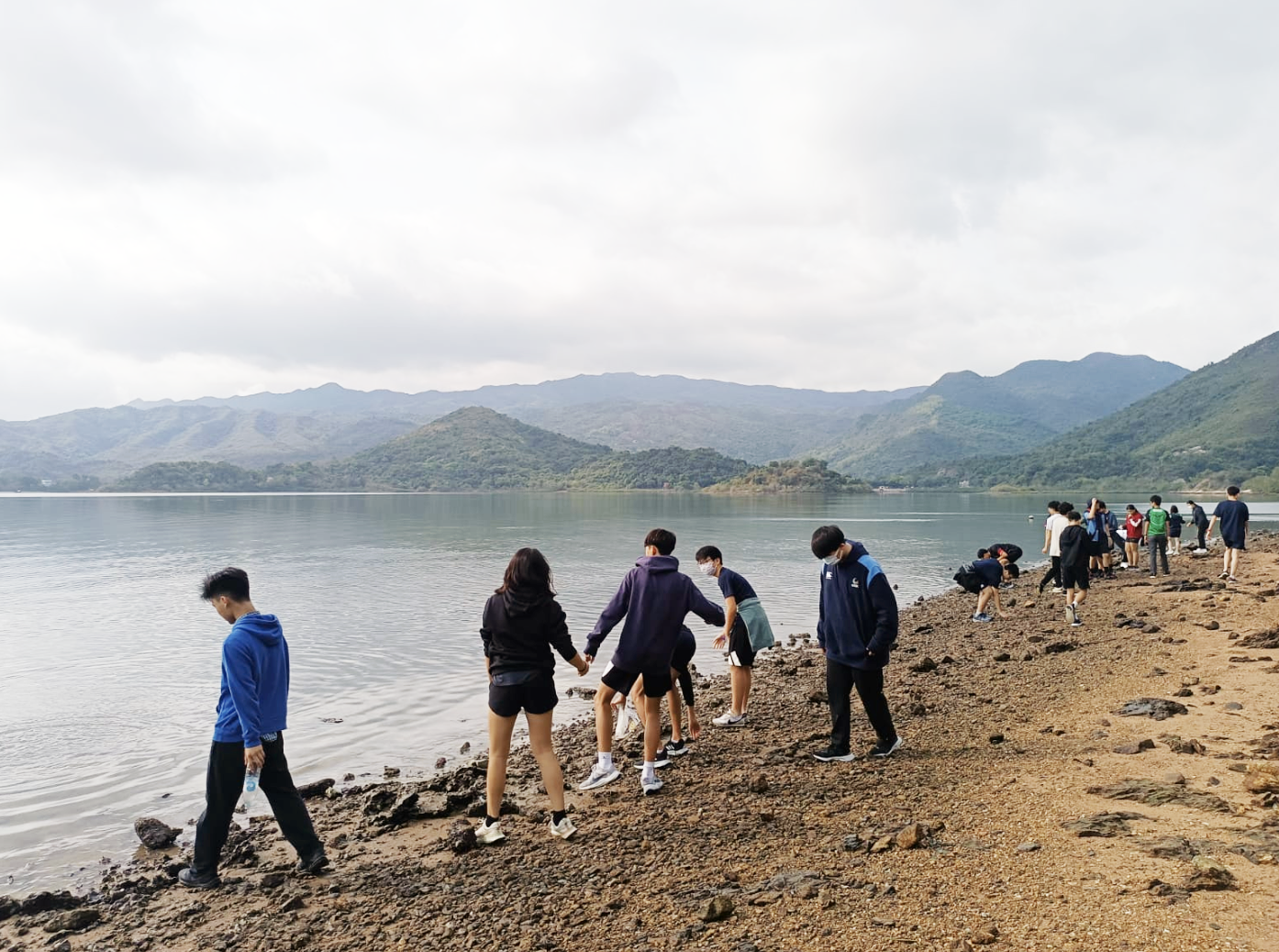
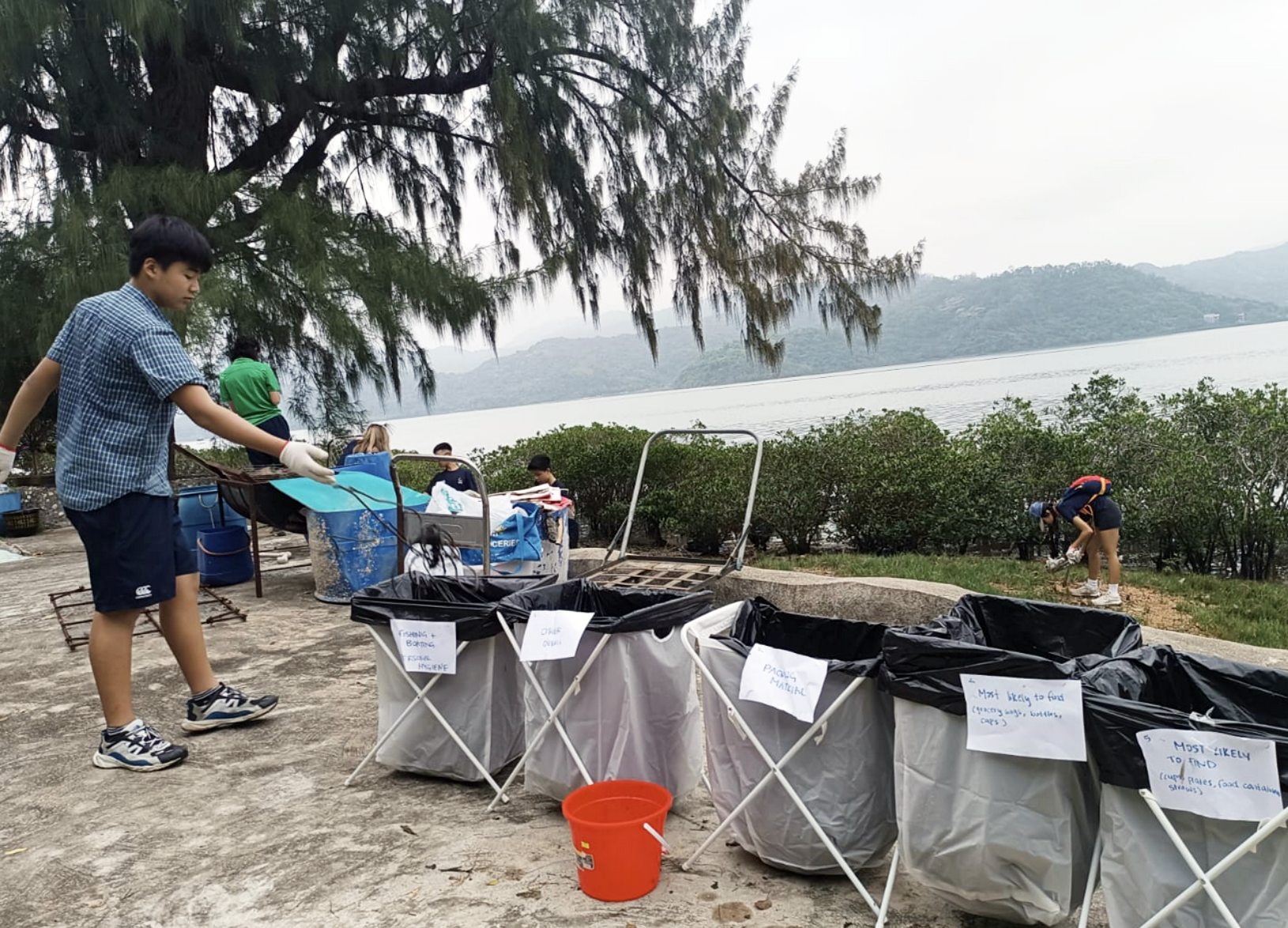
Students engage in regular clean-ups along our neighbouring shoreline, reminding them how important it is to care for their community and helping them to develop sustainability practices.

Connections are also made with ICHK’s flagship programmes including Deep Learning and Enrichment & Flow,  where students get out and explore the world around them and come face to face with environmental issues in an authentic manner.

Above all, we strive to develop caring, empathic students who understand that through their actions, they can make a difference, and sustain a positive impact upon the world.

Find out more about ICHK’s approaches to sustainability>>Learn More

ICHK EARTH WEEK

ICHK Earth Week, April 25th, 2024

Jon Rees is Sustainability Coordinator and a Teacher of English and Theory of Knowledge at ICHK

Monday, April 22nd saw ICHK kick off a week of celebrations to allow for a multidimensional exploration both to celebrate the beauty of our planet, as well as understand the scope and scale of the challenges ahead. 

To adapt, and hopefully to thrive, in a precarious future we must look to first be “Sustainable Humans”: by learning how to cultivate the energy, empathy and balance within ourselves, we can project more positively out into the wider world and effect greater change through the quality of our relationships and ability to work in collaboration others, regardless of whether their views accord with our own. 

You could make a strong argument that every day is Earth Day at ICHK. Certainly “the art and craft of being human” is a motto that is lived daily within the school and the regular explorations of the city through Deep Learning, the Outdoor Learning department, the pastoral programme, and extracurricular activities. 

For example, just the week before, Year 9 students were preparing for a Rite of Passage ceremony to mark their entry into the upper school, and showed their sense of responsibility for the planet by continuing a longitudinal science study of the health of our local mangroves. And our Drama department, led by Liam Greenall swept the boards at a school theatre awards. The performing arts, and the sports activities the school runs are just the most powerful means of cultivating “sustainable humans” equipped with the socio-emotional skills to thrive in the future. Building a shared commitment to these habits, dispositions and behaviours will be more formally recognised through the implementation of the new “ICHK Pin” initiative, launched by Head of School, Toby Newton this week.

On the Friday before Earth Week officially began, Marcus Lee led the Environmental Action Group to organise a very successful Toy & Stationery drive for Crossroads Foundation. Marcus was inspired to do so after hearing Crossroads’ founder, David Begbie, speak at an SDG event. Outdoor leader, Dave Addis, has opened up a permanent line of communication to Crossroads, ensuring that they have first refusal on furniture from renovations. 

Additionally, the week before, Carly Leung from the environmental start-up, VAIR, came in to speak with our Year 12s about sustainable careers and how to make effective choices to pursue positive academic and social futures. Carly Leung was one of the HK delegates at COP 28 in Dubai, so they were lucky to receive such useful advice from a dynamic young leader within the city.

Our SMT worked fantastically to turn a range of nature messages, including ancient Chinese wisdom about living in balance with our environment, (thank you Ms. Luk!), into posters for display around campus. The SMT also helped judge the winners of our hand drawn and digital Earth Week poster competition. 

The SRC helped us to launch a Kadoorie Farm: Sponsor a Tree project too. We are collaborating with Year 8 parent and Kadoorie plant specialist, Craig Williams, to acquire a range of native HK species to promote the regeneration of biodiversity atop the Nature Trail that runs behind school, in an area cleared by Dave Addis’ Bushcraft and Year 10 ENF students.

Christian Pilard, an ICHK parent, and founder of Eco-Systems Action Foundation came in and spoke to all of our Year 9s, Year 12s, as well as the +1 Centre students about the incredible range of projects which his organisation has made a positive contribution to across the last twenty years. His compassionate and proactive message seemed to work as a catalyst for some animated Year 12 SoCO planning later in the week which was wonderful to see. 

English classes had a special lesson devoted to inquiring into the issues that beset our species, captured through Carl Sagan’s compelling, A Pale Blue Dot, monologue. We looked at how the UN Sustainable Development Goals offered some solutions, but also pointed to very limited progress in many of the categories. HT classes listened to meditations, explored Earth Day songs, and took walks down to our local temple to immerse themselves in nature.

Across the week, a range of different links were posted for students to dip into courtesy of BBC Earth, and Ted Talks with prominent conservationists such as Jane Goodall and Al Gore. A range of documentaries played at lunch throughout the week, including Plastic Ocean, My Octopus Teacher (selected by the EAG’s Guy Traittel), Cowspiracy, Before the Flood and The Walk that Made Me. Additionally, an Earth Day 2024 playlist was compiled and linked here if you want to enjoy a range of songs connected to the themes mentioned.

Our Economics department ran a series of lessons on the circular economy. And this was fantastic groundwork for the visit of Tiffany Leung, from Redress, an organisation devoted to reducing our patterns of over-consumption. This event was ably put together by a group of Year 12 students, so congratulations to Ani, Caiden, Ariv, and Elkan for their positive actions for our community which benefited our Year 7 and Year 8 students. It also helped deepen the Year 7s’ understanding of reducing waste as they pioneered bringing in a reusable container for the canteen. The HK Government marked Earth Day by bringing in some very welcome legislation banning single-use plastics from the thousands of cafes and restaurants across the city. Our canteen largely replaced plastic cutlery long ago, but if we can also reduce unnecessary wooden forks and paper plates ending up in landfill too, all-the-better. 

Wednesday, saw a small but highly motivated group of Year 10 students accompany science teacher, Mr. Alex Yim, and Jon Rees down to PNEC Organic Farm. Look out for a further post about the excellent community work PNEC are engaged in, but great thanks to Kootyin and Pinewood for their usual generosity and kindness, and for gifting us with a copy of the newly published oral storytelling history of Nam Chung and Sha Tau Kok.

The work will surely carry on in classes, Deep Learning inquiries, extra-curricular activities, and the library, so thanks, then, to Ms. Palmer who has curated a series of books regarding Sustainability so that students can carry on their engagement with these topics. 

Written by: Jon Rees

In: Teacher Insights

When: 6 months ago