Eco Warriors: Partnerships & Goals for Protecting Our Planet’s Future

Following ICHK’s recent participation at the CDNIS Sustainable Development Goals Summit, Sustainability Coordinator Jon Rees reflects on the power of partnerships in creating change

https://sdgs.un.org/goals

It seems that our planet faces a very precarious future. 

But if we can work together, there is still a chance that we can mitigate the harm that we have caused to our environment and ecosystems in just the three hundred years since the advent of the Industrial Age. 

What other choice do we have if we want to protect what the famous cosmologist, Carl Sagan, reflected: ”(is) the only home we’ve ever known?” 

It would take enormous global-political-economic restructuring to wrestle not just our species’ fate back-from-the-brink, but that of an estimated 1 million plant and animal species that are threatened with extinction by 2050, according to a UN Biodiversity Report from 2019.

But at ICHK, the Eco Warriors have been finding out that in just one term’s work, significant changes can be implemented within our school and they are learning the social and cognitive technologies needed to make changes at a wider level in the future. 
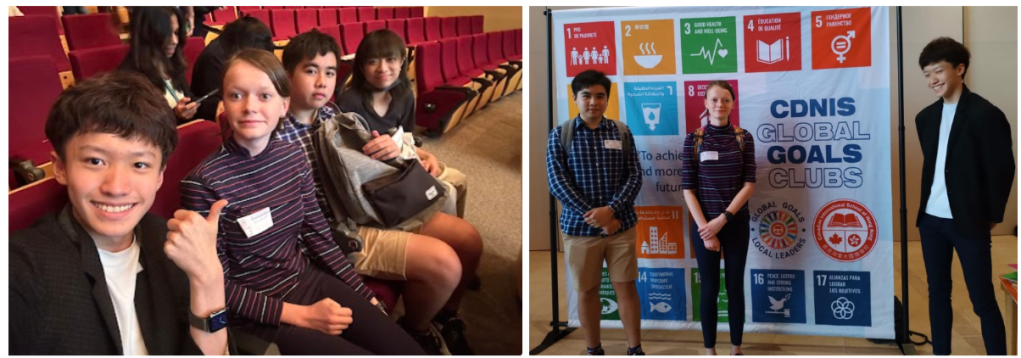
Damion Loh, Daisy Palmer, Marcus Lee and Sam Lee, representatives of ICHK’s School Media Team, School Representative Council and the Eco Warriors, attend the CDNIS SDG Goals Summit, March 2023.

Currently, it appears we are destined to fall hopelessly short of the 17 Sustainable Development Goals outlined by the United Nations in 2015 in their 2030 Agenda for Sustainable Development. Meeting these goals was always going to be tough. Maybe they were too aspirational, but at least they exist and are something to aim towards based on a rigorous, realistic assessment of our planet’s health.

When we attended the Canadian School’s SDG Summit this month, I found myself agreeing with Chris Brown, organiser of ReThink- Hong Kong’s largest sustainability event- when he stated that SDG No.17: Partnerships & Goals should be number one as all the others were dependent on the capacity for individuals, society, governments, and businesses to get together and make change.

Covid, along with various economic and political turmoils, has slowed us down in our capacity for international collaboration and the sooner we can refocus on our planetary health, the better.

The CDNIS panel: Shalini Mahtani, founder of the Zubin Foundation which protects Hong Kong’s ethnic minorities; Dana Winograd, founder of Plastic Free Seas; Peggy Chan, founder of the Grassroots Initiatives Consultancy; Matt Friedman, the founder of Mekong Club which fights against modern slavery; ReThink organiser, Chris Brown

At the conference, we got to hear from many powerful voices who are leading actors in the sustainability sector here in Hong Kong. The keynote speaker, Olivia Cotes-James, is a leading menstrual equity educator and the founder of Luüna Naturals. “Her healthy, sustainable, and accessible period products” were introduced by our SRC to the girls’ bathrooms at ICHK some years back to help remove stigma and promote natural conversations about the natural bodily cycles experienced by 50% of our school population. Cotes-James raised the statistic that if a girl goes on her period as she becomes a teenager, spending 5 days approximately per month on her period, then across a typical ovulation life cycle of 30 years or so, women spend 5 years on their period. 

But so often in Cotes-James’ experience she found that conversations around female bodily health were stigmatised, products were uncomfortable, and, also, produced from plastic-based materials which were non-biodegradable. She joined the dots between the SDG goals of Gender Equality, Clean Water and Sanitation, and Responsible Consumption and Production by explaining how her products help to improve the quality and dignity of life for females, as well as addressing the problem of plastic waste as it washed up on our shores. 

Olivia Cotes-James’ speech to students and educators at the conference highlighted the innovation and dedication needed to systematically rethink our personal and social relationships, along with those of our planet.

Olivia Cotes-James illustrates the connectedness of the SDG Goals as she discusses her collaboration with Harry Chan, a diver dedicated to clearing up the “ghost nets” that plague Hong Kong’s coastal waters, (as well as the myriad other forms of plastic waste.)

Thinking about problems in complexity and connectedness has certainly been my experience in my first year as sustainability coordinator at ICHK. My role has been all about learning the many complex ways that schools operate themselves as microcosms of wider society and achieve their successes- and are limited to some extent- through the relationships between stakeholders such as pupils and teachers, within the framework of the senior leadership team, who themselves operate within the financial constraints of the budget, the building contracts with the Education Bureau, the board of governors, etc. 

So, what can we do within this network of compromises? 

We can identify the need to address issues in a practical, pragmatic fashion and collaborate together in research-based action. The project I’m most proud of is the emergence of a recognisable and growing Eco Warriors group across this last term. Students themselves have been brilliant in managing their own deadlines and their commitment to pushing towards some important tangible goals within our first term together. 

Eco Warriors: Ewan Chan, Hana Bridgeford, Sam Lee, Jake Ransom, Marcus Lee, Lawrence Hylton, Rick Goto and Ayden Hoogendijk

We have worked closely with Ivan, who runs the canteen, and Alan Shieff, Ivan’s line manager at Compass, to try to ensure that we can implement our main goals of reducing food waste after finding out that as a community we conservatively throw away 25kg of waste per lunchtime per day.

Additionally, we’ve been campaigning to eliminate as many types of single-use plastic as we can from the canteen. After plastic bottles and sugary drinks were taken off the menus a few years back, now we’ve managed to get rid of plastic forks. But we’ve experienced a lot of metal cutlery going missing! After three years of Covid-related disposable culture for sanitation reasons, we urgently need to reprogramme ourselves to make sure we take care of the resources available to us, a point pithily driven home in this excellent video produced by Y10s, Yuffy Tam and Vanessa Tin, in a recent Human Technologies class. 

Well done to Yuffy and Vanessa who produced this timely and very well-produced video about saving metal cutlery from the bin! 

Yet, as we explored further into the issue of food waste, Michelle Rines, Head of Science, pointed to the research carried out by her previous Y13 Environment and Social Systems class who adopted a “systems thinking” approach to improving the flow system of waste disposal so it would be more efficient, as well as cleaner, thus improving the lunch experience of students and reducing our carbon footprint. 

Work is underway to remodel the canteen based on this research and potential future composting goals which outdoor leader, Dave Addis, has been researching. 

I’ll take the remaining moments to quickly reinforce the Eco Warriors other key message which we, again, need your partnership in if we want to achieve our goals! 

Air-Conditioners: Please, as the hotter weather reappears, can we run these at a reasonable 23C rather than 18C. Research by George Woodman’s sustainability team at ISF, strongly indicates that this could help save 50% of emissions, as well as the money we could save as a school. Students in Y10 Human Tech classes created posters to address these issues. 
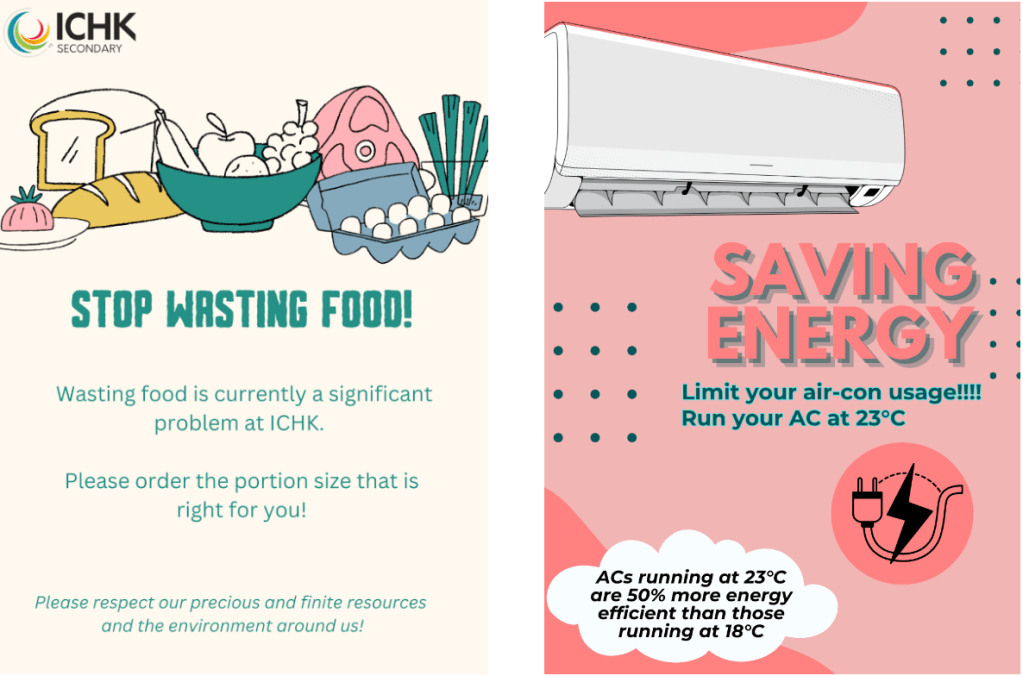
Horace Lai, Ethan Wu, Herman Yeung                         Katherine Chan, Charlotte Ho, Abri Ng, Ai Senaratne

I look forward to continuing the work the Eco Warriors have started, as well as collaborating with the widely diverse range of curricular & extra-curricular clubs that we operate at ICHK to help students actively learn about what they can do to live a more sustainable future…

Sustainability @ ICHK

August, 2021

Jon Rees is Sustainability Coordinator at ICHK

It’s my second term working in my new role as Sustainability Coordinator, and I’m really enjoying the professional challenge of reading into the subject, finding ways to support other staff members in this aim, learning how to bind together aspects of the ICHK school experience such as Human Technologies, Deep Learning, the Y7 Pastoral programme, Enrichment and Flow, as well as developing resources within the traditional curriculum subject areas too.

I chose to share the above photos to represent what attracted me to the position of Sustainability Coordinator. The first photo is at Old Harry’s Rocks from a summer holiday hike with old university friends in Dorset this summer. My love for nature and hiking was inspired through a childhood growing up in the countryside and these remain core passions today. ICHK’s Outdoor Dept. allows our community to develop these interests, and I’m delighted to be joining students and Outdoor leader, Arthur Wong, for a week-long series of hiking and outdoor activities during Deep Learning later this term.

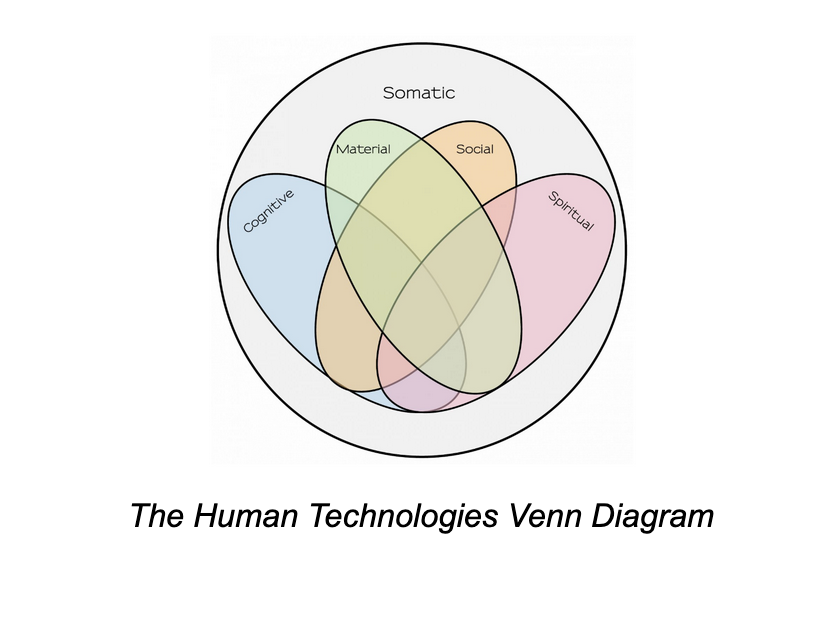
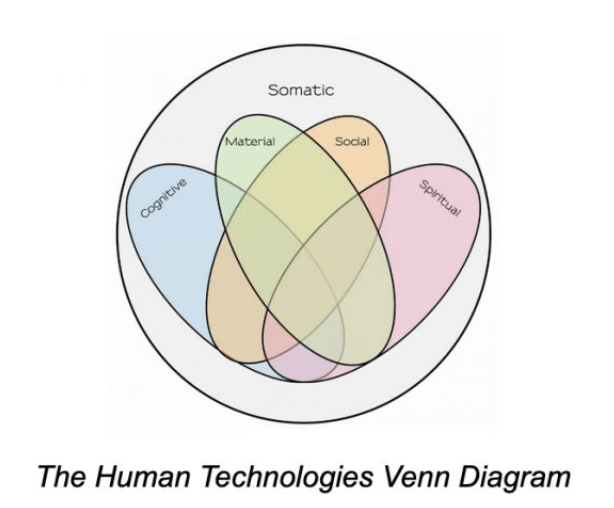
Human Technologies, a subject I’m teaching at Y8 and Y10, allows us to examine how we experience our world, and make choices, from the various material, social, spiritual and cognitive technologies through the lens of our own bodies. While there are certain genetic blueprints which are handed down to us from our parents and ancestors, there are choices we can make about diet, nutrition, fitness and mental well-being to impact our lives, and it is sports and hiking which allow me to calm my mind, stimulate my imagination, build friendships and many other positives. These are important lessons which I feel are essential to share with students.

The sustainability role here at ICHK means more than just implementing the more traditional technologies of sustainability that exist at most other schools and which are offered as solutions to the effects of Climate Change, such as, recycling, solar panels, reducing our carbon footprint etc. It’s not to say that those material remedies aren’t important, they are, but these technologies are more symptomatic of a global economic system in need of radical systemic overhaul, the success of which will hinge on new mindsets, social systems, and spiritual aspirations. Sustainability at ICHK encompasses those elements no less urgently.

So it is that the achievable goal we cultivate is the idea of being sustainable humans from an internal, holistic standpoint, as well as learning how we can develop the social and cognitive technologies of empathy and understanding others, exploring and inquiring about the world, building positive relationships to help us lead more balanced, sustainable lives. 

At ICHK, we want students to have the energy and motivation to explore the world around them, to be aware of the lifestyle changes they might make to impact the planet more positively, rather than engage in hand wringing for a carbon consumptive lifestyle which has been foisted upon them by the social and economic systems of the world they are born into…

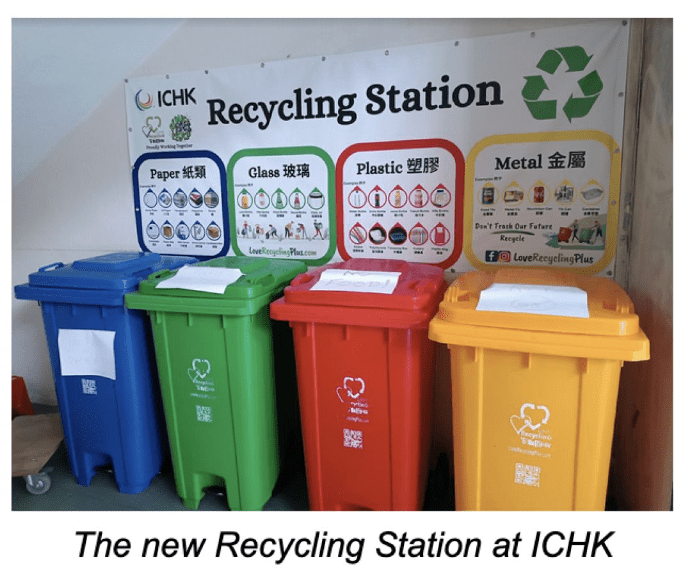
Every bit helps and concrete action also prompts conceptual change, so, we have joined up with We Love Recycling to ensure that all our glass, plastic, paper and metal bi-products are recycled properly…and we are looking forward to receiving data back from the company who itemise what we send off to their recycling plant so that we can be more explicitly aware of our patterns of consumption, and how to reduce, and reuse, and then hopefully lower the volume of what we then recycleIf you don’t have recycling bins close to your homes, please feel free to bring in items from home and place them in the recycling station!

Over the last term, I’ve been working with Nelly Loi-Fong, Head of Y7, about how we can develop Compassionate Systems throughout the Y7s Transitions programme at the school. I also had the opportunity to speak with our wonderful Y7 students, as well as our SRC coordinators, Phoebe Wong and Alyson Donaldson, about the possibility of creating a sustainability group within ICHK. I’m looking forward to also supporting Michelle Rines, Head of Science, and Outdoor Leader, Dave Addis, on their project to map the mangrove swamps around Starling Inlet to create an evolving record of the local ecosystems to help make the case for their conservation years hence…

At ICHK, unique and nuanced approaches inform how we help students learn about the complexity of their worlds

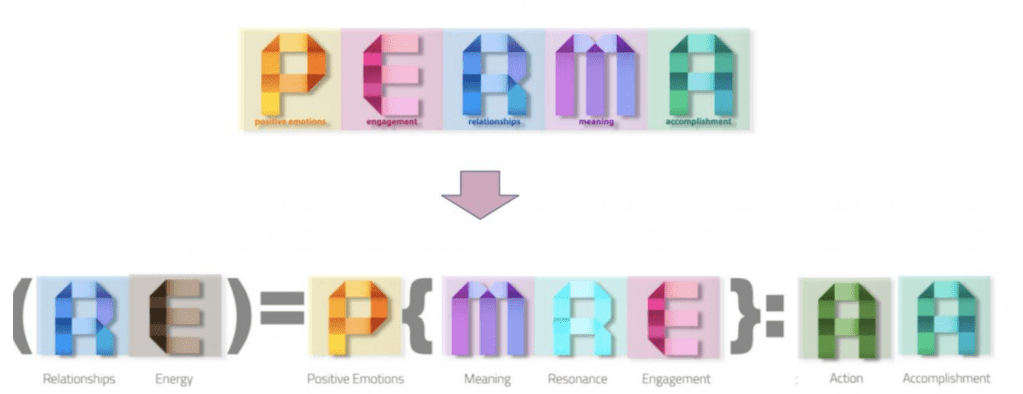
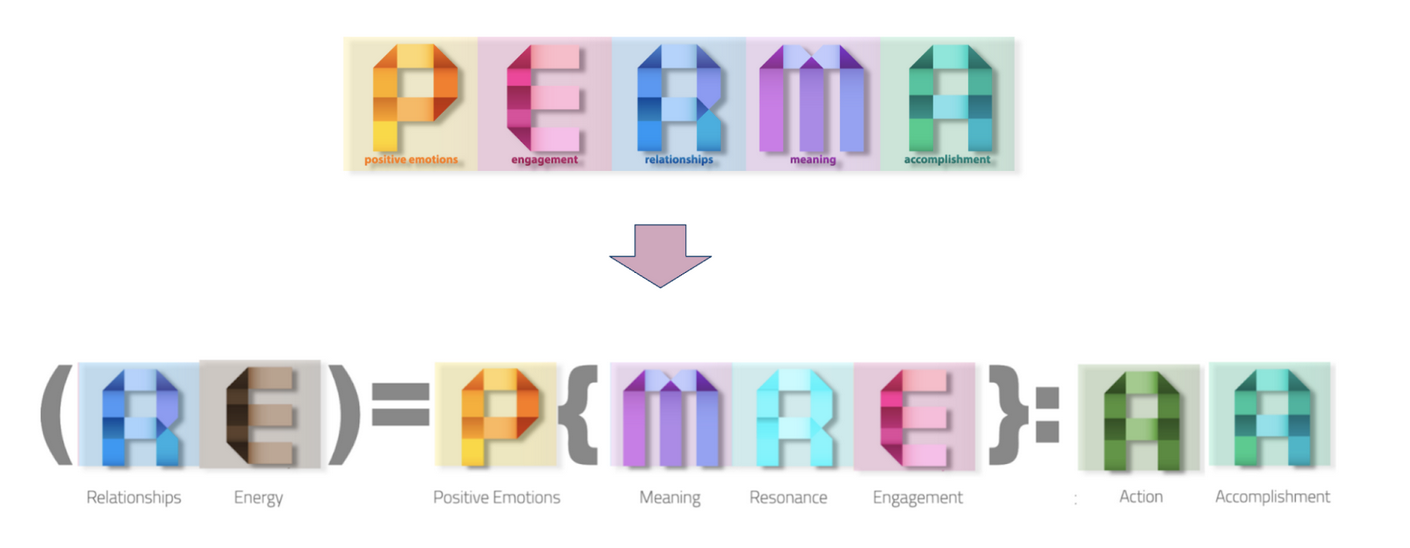
So, a busy and incredibly fulfilling brief that speaks to my own varied interests within the complexity of a highly innovative school. In our staff professional development at the beginning of term, we explored how Martin Seligman’s concept of PERMA took us a good part but not all of the way to defining what it is that ICHK is trying to achieve for its students. One ingredient that was missing from Seligman’s formulation is energy. My goal will be to help support this mission of bringing energy to school life – and to draw on it to cultivate relationships, leading to positive emotions, so energising a school experience founded in meaning, resonance and engagement, leading to action and accomplishment. To that end, I’ll share shorter updates about my progress to this goal throughout the year, as well as any interesting books, podcasts, articles and documentaries which might be of interest to members of our community. Be in touch..!

Written by: Jon Rees

In: Teacher Insights

When: 2 years ago

ICHK EARTH WEEK

ICHK Earth Week, April 25th, 2024

Jon Rees is Sustainability Coordinator and a Teacher of English and Theory of Knowledge at ICHK

Monday, April 22nd saw ICHK kick off a week of celebrations to allow for a multidimensional exploration both to celebrate the beauty of our planet, as well as understand the scope and scale of the challenges ahead. 

To adapt, and hopefully to thrive, in a precarious future we must look to first be “Sustainable Humans”: by learning how to cultivate the energy, empathy and balance within ourselves, we can project more positively out into the wider world and effect greater change through the quality of our relationships and ability to work in collaboration others, regardless of whether their views accord with our own. 

You could make a strong argument that every day is Earth Day at ICHK. Certainly “the art and craft of being human” is a motto that is lived daily within the school and the regular explorations of the city through Deep Learning, the Outdoor Learning department, the pastoral programme, and extracurricular activities. 

For example, just the week before, Year 9 students were preparing for a Rite of Passage ceremony to mark their entry into the upper school, and showed their sense of responsibility for the planet by continuing a longitudinal science study of the health of our local mangroves. And our Drama department, led by Liam Greenall swept the boards at a school theatre awards. The performing arts, and the sports activities the school runs are just the most powerful means of cultivating “sustainable humans” equipped with the socio-emotional skills to thrive in the future. Building a shared commitment to these habits, dispositions and behaviours will be more formally recognised through the implementation of the new “ICHK Pin” initiative, launched by Head of School, Toby Newton this week.

On the Friday before Earth Week officially began, Marcus Lee led the Environmental Action Group to organise a very successful Toy & Stationery drive for Crossroads Foundation. Marcus was inspired to do so after hearing Crossroads’ founder, David Begbie, speak at an SDG event. Outdoor leader, Dave Addis, has opened up a permanent line of communication to Crossroads, ensuring that they have first refusal on furniture from renovations. 

Additionally, the week before, Carly Leung from the environmental start-up, VAIR, came in to speak with our Year 12s about sustainable careers and how to make effective choices to pursue positive academic and social futures. Carly Leung was one of the HK delegates at COP 28 in Dubai, so they were lucky to receive such useful advice from a dynamic young leader within the city.

Our SMT worked fantastically to turn a range of nature messages, including ancient Chinese wisdom about living in balance with our environment, (thank you Ms. Luk!), into posters for display around campus. The SMT also helped judge the winners of our hand drawn and digital Earth Week poster competition. 

The SRC helped us to launch a Kadoorie Farm: Sponsor a Tree project too. We are collaborating with Year 8 parent and Kadoorie plant specialist, Craig Williams, to acquire a range of native HK species to promote the regeneration of biodiversity atop the Nature Trail that runs behind school, in an area cleared by Dave Addis’ Bushcraft and Year 10 ENF students.

Christian Pilard, an ICHK parent, and founder of Eco-Systems Action Foundation came in and spoke to all of our Year 9s, Year 12s, as well as the +1 Centre students about the incredible range of projects which his organisation has made a positive contribution to across the last twenty years. His compassionate and proactive message seemed to work as a catalyst for some animated Year 12 SoCO planning later in the week which was wonderful to see. 

English classes had a special lesson devoted to inquiring into the issues that beset our species, captured through Carl Sagan’s compelling, A Pale Blue Dot, monologue. We looked at how the UN Sustainable Development Goals offered some solutions, but also pointed to very limited progress in many of the categories. HT classes listened to meditations, explored Earth Day songs, and took walks down to our local temple to immerse themselves in nature.

Across the week, a range of different links were posted for students to dip into courtesy of BBC Earth, and Ted Talks with prominent conservationists such as Jane Goodall and Al Gore. A range of documentaries played at lunch throughout the week, including Plastic Ocean, My Octopus Teacher (selected by the EAG’s Guy Traittel), Cowspiracy, Before the Flood and The Walk that Made Me. Additionally, an Earth Day 2024 playlist was compiled and linked here if you want to enjoy a range of songs connected to the themes mentioned.

Our Economics department ran a series of lessons on the circular economy. And this was fantastic groundwork for the visit of Tiffany Leung, from Redress, an organisation devoted to reducing our patterns of over-consumption. This event was ably put together by a group of Year 12 students, so congratulations to Ani, Caiden, Ariv, and Elkan for their positive actions for our community which benefited our Year 7 and Year 8 students. It also helped deepen the Year 7s’ understanding of reducing waste as they pioneered bringing in a reusable container for the canteen. The HK Government marked Earth Day by bringing in some very welcome legislation banning single-use plastics from the thousands of cafes and restaurants across the city. Our canteen largely replaced plastic cutlery long ago, but if we can also reduce unnecessary wooden forks and paper plates ending up in landfill too, all-the-better. 

Wednesday, saw a small but highly motivated group of Year 10 students accompany science teacher, Mr. Alex Yim, and Jon Rees down to PNEC Organic Farm. Look out for a further post about the excellent community work PNEC are engaged in, but great thanks to Kootyin and Pinewood for their usual generosity and kindness, and for gifting us with a copy of the newly published oral storytelling history of Nam Chung and Sha Tau Kok.

The work will surely carry on in classes, Deep Learning inquiries, extra-curricular activities, and the library, so thanks, then, to Ms. Palmer who has curated a series of books regarding Sustainability so that students can carry on their engagement with these topics. 

Written by: Jon Rees

In: Teacher Insights

When: 6 months ago